USA: Dairy Farmer Coalition Presses Congress on Milk Pricing Bill
02 November 2026, Washington, US: A coalition of 87 farmer, rural, labor, processor and environmental organizations sent a letter to congressional agriculture leaders on October 23 demanding swift action on the Milk from Family Dairies Act, a bill its backers say would protect independent dairy farmers from years of prices that have fallen below the cost of production. The letter was coordinated by the National Family Farm Coalition.
The bill, introduced in the Senate in June 2026 by Senator Peter Welch of Vermont and cosponsored by Senator Bernie Sanders, was referred to the Senate Agriculture Committee and has not yet received a hearing. Welch has said independent dairy farmers have little bargaining power in today’s market and that fairer prices would help small and mid-sized operations survive.
A bill aimed at processor leverage
The legislation would direct the US Department of Agriculture to set minimum milk prices based on herd size and production costs, and it would allocate production allowances to individual farms, charging fees to those that exceed their allotted volume. It would also create a Dairy Market Stabilization Program within USDA, advised by a producer-led National Dairy Producer Board and a network of regional boards, intended to better match national milk production with domestic demand. Additional provisions would promote domestic dairy consumption, add new governance and accountability requirements, ban the sale or leasing of production allowances between farms, and establish regional waitlists for new producers entering the system.
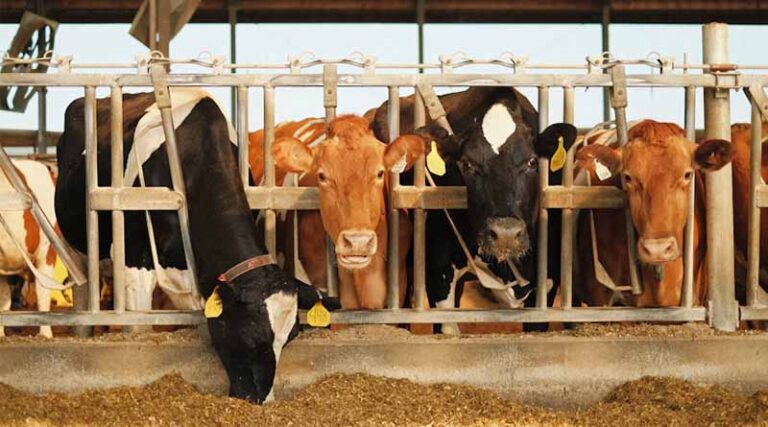
Supporters argue the measure responds to a long-running structural shift in the industry. The number of independent dairy farms in the United States has fallen from roughly 200,000 in 1980 to about 23,600 in 2025, even as the national dairy herd has grown, concentrated increasingly on large operations sometimes described as mega-dairies. Licensed dairy herds have declined by nearly two-thirds over the past two decades while national milk output has risen more than 30% over the same period, a trend the coalition says has pushed the industry toward reliance on export markets to absorb supply that domestic demand no longer requires.
Two dairy farmers who signed onto the push described the pressures driving their support. Juliette Albrecht, who milks 100 cows in Missouri, said the bill would help buffer producers against retaliation from processors and argued that banning the sale of production allowances would protect young farmers from the kind of quota-style barriers to entry that have emerged in other dairy-exporting countries. Tristan Swartz, who runs a 50-cow operation in Wisconsin, said dairy cooperatives have increasingly aligned themselves with large business interests rather than smaller member farms. The coalition’s letter also described processors ending milk pickup routes without notice, charging high hauling fees, and using supply contracts that bar farmers from selling raw milk directly to consumers.
Industry’s largest trade group pushes back
The National Milk Producers Federation, the industry’s largest trade association, opposes the bill. Trey Forsyth, the federation’s vice president of government and regulatory affairs, said supply management systems carry unintended consequences, including limits on farm growth and higher costs for consumers at the grocery store. He pointed to Canada’s dairy quota system, which supporters of the US bill have cited as a partial model, as an example of a system that raises barriers to entry for new producers rather than lowering them.
Supporters of the Milk from Family Dairies Act counter that the current, unregulated structure already presents a steep barrier to young and small-scale farmers, and they argue the bill’s allowance rules and regional waitlists are specifically designed to avoid replicating the entry problems critics have raised. The dispute over which approach better serves the next generation of dairy farmers remains unresolved as the bill awaits its first committee hearing.
Also Read: New Case IH Puma 185 Tractor to Make Irish Debut at FTMTA 2026
Global Agriculture is an independent international media platform covering agri-business, policy, technology, and sustainability. For editorial collaborations, thought leadership, and strategic communications, write to pr@global-agriculture.com