Trump’s Belarus Potash Push Rattles Global Fertilizer Trade
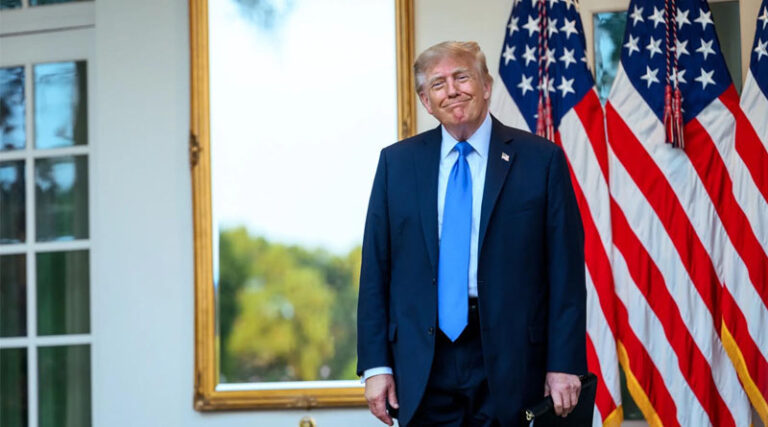
23 September 2026, Washington, D.C.: President Donald Trump said on September 21 that the United States is negotiating a “massive” deal to buy potash from Belarus, arguing the fertilizer input would cost American farmers “substantially less” than what they currently pay for Canadian supply. The announcement, made in a public statement, immediately drew sharp pushback from Canadian officials and reignited questions over how far Washington is willing to go to secure cheaper fertilizer even as most Western governments keep Belarus under sanctions.
Potash, a potassium-rich salt essential for crop nutrition, is one of the three major nutrients (alongside nitrogen and phosphate) that farmers apply every season. Canada currently supplies close to four-fifths of the potash used by American growers, according to a review of US trade figures, with Russia and Belarus together making up a small remaining share. Belarus is one of the world’s largest potash producers, alongside Canada and Russia, through its state-owned firm Belaruskali.
Sanctions Backdrop Complicates the Deal
The timing is significant because Belarus remains under a wide web of Western sanctions over its role backing Russia’s 2022 invasion of Ukraine, including an EU ban on Belarusian potash imports and a freeze on Belaruskali’s assets in Europe. The Trump administration has been easing some US sanctions on Belarusian entities in exchange for the release of political prisoners. Multiple outlets, including Al Jazeera and NBC News, confirmed that Belarus freed 25 political prisoners around September 16 as part of this ongoing, US-brokered exchange, mediated in part by US envoy John Coale.
Speaking in New York during the UN General Assembly on the same day as Trump’s potash remarks, exiled Belarusian opposition leader Sviatlana Tsikhanouskaya warned against letting humanitarian gestures turn into broader economic normalization with the government of Alexander Lukashenko. She said any commercial deal with the Belarusian government carries real risk, noting that potash export revenue helps fund both domestic repression and Russia’s war effort, and that more than 900 political prisoners remain in custody even after recent releases.
Canadian officials reacted with alarm. Saskatchewan Premier Scott Moe, whose province is the heart of North America’s potash mining industry, said buying what he called “blood potash” from Belarus effectively supports Russian aggression. Pam Schwann, president of the Saskatchewan Mining Association, questioned whether Belarus could even ramp up new export volumes quickly, noting that most of its current output already goes to China and that the country’s landlocked geography complicates logistics to reach North American ports. The industry group Fertilizer Canada pointed to Canada’s integrated rail and port supply chain as a reliability advantage that Belarus, facing sanctions-related shipping and financing hurdles, would struggle to match.
No formal agreement has been signed, and it remains unclear whether a Belarus-US potash deal is commercially or logistically realistic in the near term, given the sanctions still in place and the limited spare export capacity industry analysts have pointed to. Trump’s comments appear at least partly aimed at pressuring Canada in an ongoing broader trade dispute between the two countries, several US and Canadian outlets noted, rather than signaling an imminent shipment of Belarusian fertilizer to US ports.
Why This Matters Beyond North America
For farmers outside North America, the immediate story is not about where a few million tonnes of potash might move, but about what happens to global potash pricing and supply security when the world’s dominant buyer starts publicly shopping around among a smaller, more sanctioned pool of suppliers. Potash is a genuinely globalized commodity: Canada, Russia and Belarus together account for the large majority of world production, so any disruption or renegotiation of trade flows involving the top North American buyer tends to move benchmark prices that Indian, Brazilian and other importing countries pay as well.
India imports the overwhelming majority of its potash requirement, mainly through long-term contracts with Canadian, Russian, Belarusian and Jordanian suppliers, and Indian fertilizer companies negotiate annual reference prices that are watched closely by farm input dealers and cooperatives across the country. Latin American row-crop producers, particularly in Brazil, are similarly exposed, since the region imports nearly all the potash it uses for soybean and corn production. A prolonged US-Canada rift over fertilizer sourcing, layered on top of existing Belarus sanctions uncertainty, adds another variable to an already volatile input market that farmers in the Global South have limited ability to hedge against.
The bigger signal for global agri-input markets is political rather than logistical for now. Whether or not Belarusian potash actually reaches American soil, the episode highlights how fertilizer has become entangled with broader geopolitical bargaining, a dynamic that Indian and Latin American buyers, who have no leverage over these negotiations but absorb their price effects, will be watching closely in the weeks ahead.
Global Agriculture is an independent international media platform covering agri-business, policy, technology, and sustainability. For editorial collaborations, thought leadership, and strategic communications, write to pr@global-agriculture.com