UK Beet Growers Race to Beat Moth Before Coragen Deadline
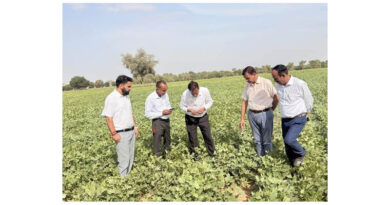
06 September 2026, East Anglia, UK: UK sugar beet growers are being told to prioritise pest control over the next few weeks, before an emergency authorisation for the insecticide Coragen expires on September 30, as an unusually warm and dry summer has fuelled one of the worst beet moth outbreaks in years, Farmers Weekly reported on September 2.
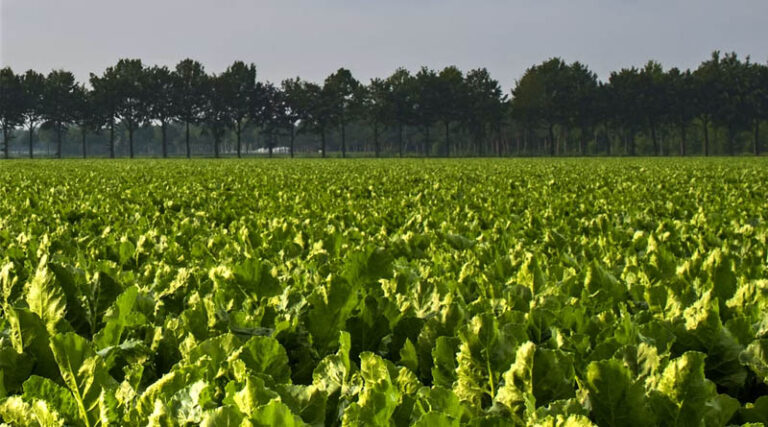
According to Dr Alistair Wright, head of crop protection at the British Beet Research Organisation (BBRO), beet moth has infested fields across much of the country this season. Warm, dry conditions allowed moths to arrive and lay eggs over an extended period, producing overlapping generations of larvae that have damaged leaves and crop crowns. In the worst-affected fields, growers report that every plant shows signs of infestation.
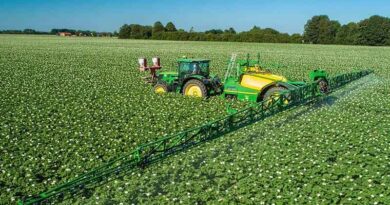
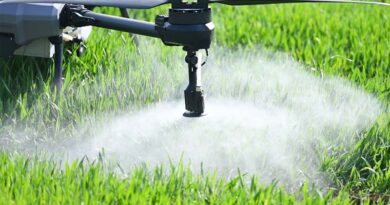
BBRO trial work found that a well-timed application of Coragen, whose active ingredient is chlorantraniliprole, cut larval numbers by 80 percent. By contrast, pyrethroid insecticides, the more commonly used and cheaper option, showed very little effectiveness against the pest this season. Coragen is being used in Great Britain under an emergency authorisation, a temporary approval route that the Health and Safety Executive’s Chemicals Regulation Division (CRD) grants for products not otherwise licensed for a specific use, typically in response to an unexpected pest or disease threat with no adequate alternative control.
Wright cautioned growers to time any remaining sprays around egg hatch, noting that recent rain is likely to reduce egg viability and that cooler autumn temperatures will slow moth activity naturally. Growers who spray too early or too late risk missing the pest’s most vulnerable life stage and wasting a limited window of product availability.
With rain now arriving after a dry summer, attention is also turning to Cercospora leaf spot, a fungal disease that thrives in wet, warm conditions. Wright recommended a second fungicide spray to protect the canopy, targeting expanding green leaves rather than the yellow, drought-stressed foliage that has been common this season. Left unchecked, Cercospora can significantly reduce sugar content and yield in the final weeks before harvest.
The pest and disease pressure comes on top of a difficult growing season overall. Drought conditions mean yields on light land could fall by as much as 25 percent this year. Even so, BBRO data show that established, recommended beet varieties are still outperforming newer drought-tolerant material, even where drought has cut yields by a fifth, underlining the importance of variety choice alongside crop protection decisions in a volatile climate.
The situation illustrates a broader challenge facing UK arable growers: as weather patterns become less predictable, previously minor pests can become serious threats with little warning, often outpacing the standard product approval timeline. Emergency authorisations like the one covering Coragen offer a stopgap, but growers and researchers alike are calling for faster, more resilient routes to get effective, targeted chemistry into fields when new threats emerge.
The episode also highlights the growing overlap between crop protection strategy and plant breeding. With drought and pest pressure both increasing, agronomists say growers will need to weigh variety resilience alongside spray programmes when planning next year’s beet crop, rather than treating seed choice and crop protection as separate decisions.
Chlorantraniliprole, the active ingredient behind Coragen, is a widely registered insecticide across major agricultural markets, including India, where it is used against pests in rice, cotton, sugarcane and other crops. The UK’s use of an emergency authorisation route to fast-track access during an unexpected pest surge offers a case study in regulatory flexibility that agrochemical companies and regulators in India, Latin America and elsewhere continue to study as they balance rapid pest response against standard safety review processes.
Global Agriculture is an independent international media platform covering agri-business, policy, technology, and sustainability. For editorial collaborations, thought leadership, and strategic communications, write to pr@global-agriculture.com