Practical Guidelines On Locust And Grasshopper Monitoring In Caucasus And Central Asia
30 June 2026, Rome: The Practical guidelines on locust and grasshopper monitoring in Caucasus and Central Asia have been released in English, translated from the original Russian version published in December 2025.
The new technical publication is aimed at improving the monitoring and early detection of locusts and grasshoppers across the Caucasus and Central Asia (CCA), a region highly vulnerable to pest outbreaks that threaten food security and rural livelihoods.
The Guidelines provide field-tested methodologies and tools to help national teams detect infestations early and respond more effectively.
The three key locust pest species in the Caucasus and Central Asia are the Italian Locust, the Moroccan Locust, and the Asian Migratory Locust. In addition to those, the Guidelines cover a dozen grasshopper species economically important in CCA.
Live Newsroom
Strengthening early warning systems
Locusts remain among the most destructive migratory pests in the world, capable of forming swarms that devastate crops and pasturelands. FAO emphasizes that timely monitoring is the cornerstone of effective control, allowing countries to act before populations reach outbreak levels.

Seasonal monitoring for effective prevention
The Guidelines emphasize year-round monitoring tailored to the pests’ life cycle.
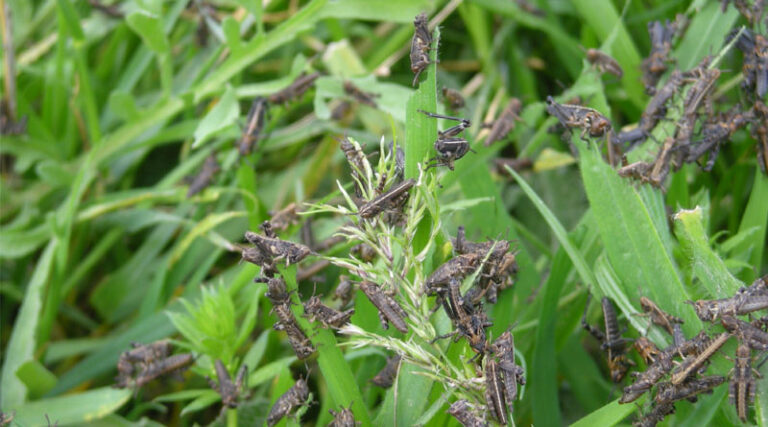
FAO recommends a series of field surveys conducted throughout the year, including summer surveys to monitor adult populations during mating and egg-laying, autumn surveys to locate egg pods in the soil and estimate the spatial extent of future populations, spring surveys to assess the viability of eggs after the winter and nymph surveys to detect hatching and early-stage nymph development as well as to identify early signs of band formation. These systematic surveys provide crucial information for forecasting and planning control interventions.
From field data to action
The Guidelines introduce the concept of the economic threshold, which defines the pest density at which control measures should be triggered to avoid significant losses.
By relying on thresholds rather than reactive measures, countries can optimize resources, reduce unnecessary pesticide use, and minimize adverse human health and environmental impacts.
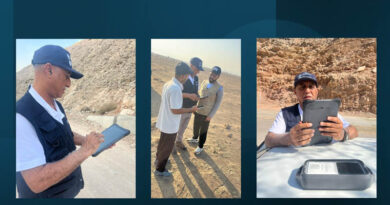
Standardized data collection methods supported by tools such as GPS devices and digital reporting systems ensure that monitoring information can be shared and compared across regions, strengthening coordinated responses.
FAO’s guidance also highlights the growing role of innovative technologies in locust monitoring. These include unmanned aerial vehicles (drones) and other remote sensing tools that can complement traditional ground surveys.
Such technologies help expand coverage, improve accuracy, and provide real-time information particularly valuable in remote or difficult-to-access areas.
Supporting regional cooperation
Given the transboundary nature of locusts, FAO underscores the importance of regional collaboration. The Guidelines support harmonized monitoring practices across the ten countries of the CCA region, enabling national locust management services to share information and coordinate early interventions.
FAO encourages national plant protection organizations, field technicians, and development partners to adopt these Practical Guidelines as part of their ongoing efforts to manage locust risks more effectively.
This publication is the third volume in FAO’s technical series on locust management in the Caucasus and Central Asia. It follows the Practical Guidelines on Pesticide Risk Reduction for Locust Control in CCA (2019) and the Practical Guidelines on Three Locust Pests in CCA (2020), both of which have been published in English, Russian, and several other regional languages.
Together, these publications provide a comprehensive suite of technical resources that support countries in building sustainable capacities for locust surveillance, preparedness, and response while fostering regional cooperation against transboundary plant pests.
Global Agriculture is an independent international media platform covering agri-business, policy, technology, and sustainability. For editorial collaborations, thought leadership, and strategic communications, write to pr@global-agriculture.com