FAO Supports Development Of A Regional Framework For Management Of Brown Marmorated Stink Bug In The Caucasus
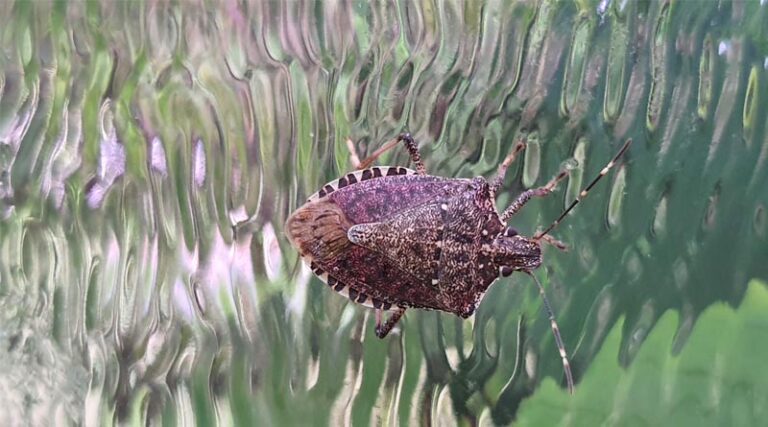
17 June 2026, Rome: The Brown Marmorated Stink Bug (Halyomorpha halys/BMSB) has become a major concern for farmers due to its highly invasive nature, broad host range and capacity to cause significant economic losses.
Being native to East Asia, the pest has become a global concern spreading also to Europe and Americas. In the Caucasus region, the pest has recently emerged as a key biosecurity challenge, especially hazelnut production. It has had particularly significant impacts in Azerbaijan, Georgia and Türkiye, affecting production, farmer incomes, market stability and associated economic activities.
The pest affects over 300 plants including fruits, vegetables and ornamental plants causing severe yield losses and quality deterioration.
Given the transboundary nature of the pest, combating BMSB requires coordinated regional action and international collaboration.
Sharing experiences and best practices across countries
To support these efforts, the Food and Agriculture Organization of the United Nations (FAO) facilitated a regional workshop where affected countries shared the latest status of infestations, assessed existing control measures, and identified opportunities for strengthened cooperation. Such information and data will contribute to the development of a regional framework for improving the prevention, monitoring, and management of BMSB across the Caucasus.
At the opening of the workshop, Director General of the Agricultural Services Agency of Azerbaijan, Sardar Haciyev, highlighted impact of the pest on the hazelnut production and livelihoods of the farmers. He shared the country’s efforts to adopt integrated pest management practices (IPM), including the use of pheromone traps, and discussed plans to invest in biological control options.
Bariz Meydiyev, FAO Deputy Representative in Azerbaijan, emphasized FAO’s commitment to addressing transboundary and regional agricultural issues.
Representatives of the Ministries of Agriculture from Azerbaijan, Georgia and Türkiye – Jafar Maharramov, Nikoloz Meskhi and Seyma Cakir, respectively delivered technical presentations on the status of the pest and ongoing integrated management activities in their countries.
Focus on integrated pest management and biological control
The discussions indicated remarkable progress in the adoption of pheromone-based monitoring and management approaches, as well as the introduction of the egg parasitoid samurai wasp (Trissolcus japonicus) as a biological control agent. Participants also underscored the value of collaboration among the three countries in addressing this shared challenge.
Presentation on Italy’s experience in managing the pest, provided valuable insights demonstrating practical integrated pest management options. Particularly the lessons learned and success stories from northern Italy, where BMSB has caused damage to fruit orchards were appreciated by the participants.
The workshop was organized within the framework of FAO’s ongoing project, “Development of a Technical Programme on the Management of the Spread of the Brown Marmorated Stink Bug in the Caucasus Region.”
The project is implemented by the Agrarian Services Agency under the Ministry of Agriculture of the Republic of Azerbaijan.
FAO Agricultural Officer Fazil Dusunceli presented FAO’s decades of experience supporting countries in the prevention, management and control of transboundary plant pests and diseases.
Dusunceli emphasized that: “BMSB is difficult to control once established in a new environment. Because of its complex biology and adaptability, no single measure is sufficient. Effective management requires an integrated approach that includes biological control options, continuous monitoring and regional collaboration.
Building capacity for sustainable solutions
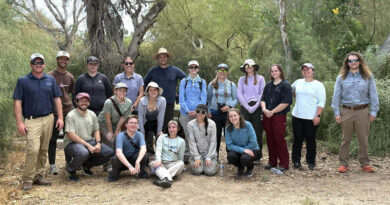
The participants also received practical field training in Zaqatala district in the northern borders of the country to strengthen their technical capacities by enhancing understanding of integrated management strategies and promoting evidence-based decision-making, to support national efforts to reduce the impact of BMSB on agricultural production.
Participants also explored innovative management approaches, discussed regulatory and operational challenges, and identified areas where regional cooperation could accelerate progress and improve long-term pest management outcomes.
During the field visit, participants met with farmers in Yukhari Tala village and observed pest monitoring and control measures in affected areas.
They also visited the Mazymgara border crossing point where vehicle disinfestation procedures are implemented, and also discussed phytosanitary measures aimed at preventing the transboundary spread of the BMSB.
Also Read: FMC and Corteva Partner to Expand Rimisoxafen Herbicide Access Across the Americas
Global Agriculture is an independent international media platform covering agri-business, policy, technology, and sustainability. For editorial collaborations, thought leadership, and strategic communications, write to pr@global-agriculture.com