Russia Locks In Zero Grain Export Duties Through Year-End, Caps Sunflower Oil Levy
21 October 2026, Moscow: Russia’s Ministry of Agriculture has issued a new decree fixing December 31, 2026 as the firm end date for its zero-rate export duty on wheat, barley and corn, while also moving for the first time to cap, rather than leave untouched, the export duties on sunflower oil and sunflower meal.
The ministry announced the decree on September 21, confirming that the “floating” duty mechanism Russia has applied to grain exports since 2021 will stay at zero for wheat, barley and corn through the end of the year. The move builds on an earlier step, effective September 1, that had zeroed the same duties without specifying a firm expiry date. The new decree removes that uncertainty for exporters who need clarity on costs for cargoes being booked for shipment well into the fourth quarter. Separately, and in a change from the September 1 announcement, duties on sunflower oil and sunflower meal are now capped at August 2026 levels rather than left to float: sunflower oil at 7,748 rubles per metric tonne, and sunflower meal at 312 rubles per metric tonne, figures equivalent to roughly $92 and under $4 per tonne respectively at current exchange rates.
Deputy Agriculture Minister Maxim Borovoy said the adjustment was designed to lower costs for market participants, help sustain production economics for Russian growers and processors, and keep agricultural exports moving predictably. The ministry framed the measures as support for domestic grain and oilseed producers and exporters during what it described as an ongoing restructuring of the country’s export logistics.
Black Sea Disruption Is the Backdrop
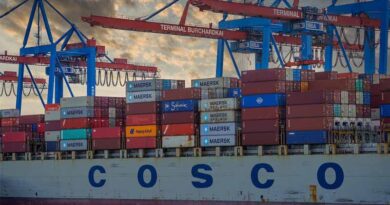
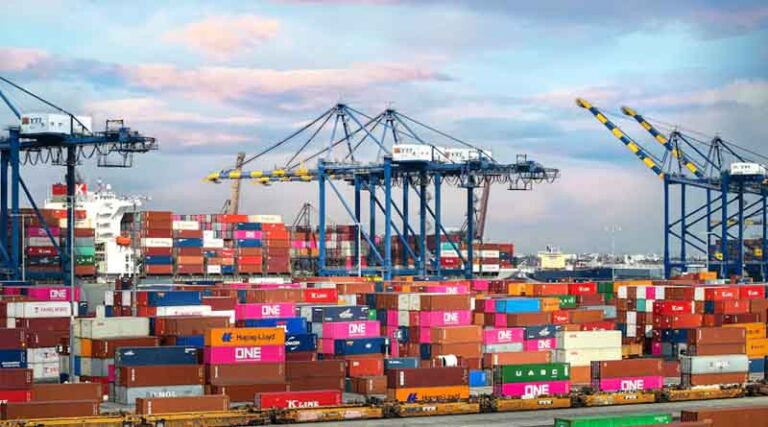
That restructuring has been forced by months of Ukrainian drone and naval strikes on Russian Black Sea export terminals. An August 12 attack on the Novorossiysk grain terminals killed three people and knocked two terminals out of operation, and the wider Azov-Black Sea basin, which used to handle more than five million tonnes of grain exports a month, now operates with substantially reduced capacity. Shipping insurance costs for vessels calling at Russian ports have risen, and some shipowners have become reluctant to serve the route altogether, adding friction to a trade route that handles the bulk of Russia’s grain exports.
Russia has been the world’s largest wheat exporter for most of the past decade, supplying roughly a fifth of global wheat shipments, with Egypt and Turkey among the countries most dependent on Russian supply. Zeroing the export duty through year-end is intended to keep that flow moving despite the higher logistics costs exporters are absorbing, by removing one layer of cost that would otherwise be passed on or that could discourage shipments altogether. Market analysts tracking the policy have said they expect it to translate into modestly higher prices for Russian grain at the farm gate, some softening in free-on-board export prices, and continued downward pressure on domestic grain and oilseed prices within Russia, even as alternative export routes such as the Baltic absorb only a limited additional volume.
Why Sunflower Oil Got Different Treatment
The decision to cap, rather than zero, sunflower oil and meal duties reflects Russia’s position as one of the two dominant global suppliers of sunflower oil alongside Ukraine. Unlike wheat, where Russia is managing a logistics bottleneck, the sunflower oil market is less constrained by the Black Sea disruption and more a function of global vegetable oil supply and demand, which the Food and Agriculture Organization’s most recent Food Price Index shows has been rising for several months on the back of firm palm oil prices. Capping the duty at August levels lets Moscow avoid an outright reduction in revenue collection from a product in high demand globally, while still giving exporters a predictable ceiling.
The policy lands directly on the desks of Indian edible oil buyers and global grain traders alike. India imports the large majority of its edible oil requirement, and Russia and Ukraine between them supply a significant share of the sunflower oil India brings in each year; a capped rather than zeroed duty keeps Russian sunflower oil competitively priced without the sharper price relief a full duty removal might have delivered, a detail Indian refiners negotiating import contracts into the new year will need to factor into their costing. On the grain side, cheaper Russian wheat exports put pressure on the price Indian wheat would need to command if New Delhi were to consider exports in markets such as Bangladesh or Nepal, and add to competitive pressure on other exporters, including Argentina and Brazil, in markets such as Southeast Asia where Russian wheat and South American corn increasingly compete for the same import tenders.
With the December 31 deadline now fixed, attention will turn to whether Russia extends the zero-duty regime into 2027 or lets duties resume once the current marketing year closes, a decision that will shape global wheat price direction heading into the new year.
Also Read: USDA Reports Record Soybean Yield, Bigger Corn Crop in October Forecast
Global Agriculture is an independent international media platform covering agri-business, policy, technology, and sustainability. For editorial collaborations, thought leadership, and strategic communications, write to pr@global-agriculture.com