USDA Unveils Plan to Modernize Farm Data Collection With Satellite Imagery and AI
03 September 2026, US: U.S. Secretary of Agriculture Brooke Rollins announced a new plan on September 1 to overhaul how the U.S. Department of Agriculture collects and reports farm data, unveiling the proposal at the 2026 Farm Progress Show in Boone, Iowa. The plan responds to a steady decline in farmer participation in USDA surveys, a trend officials say has made key reports, including acreage and yield estimates, less reliable at a time when markets depend on them for accurate price signals.
According to USDA, response rates for its surveys have fallen from more than 60 percent a decade ago to under 40 percent for the June 2026 Acreage report. That drop-off had real consequences last year, when USDA was forced to revise its corn acreage estimate upward by more than 4 million acres after the June report, a correction officials acknowledge dented confidence in the agency’s numbers among traders and farmers alike.
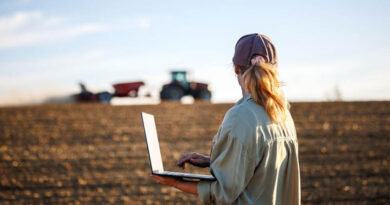
The modernization plan rests on four pillars. The first aims to cut the burden on farmers by using mobile-friendly tools and pre-filled data forms instead of lengthy paper surveys. The second calls for integrating NASA satellite imagery and other geospatial tools to estimate acreage and yields with less reliance on farmer-reported figures. The third pillar folds precision-agriculture data and artificial intelligence into USDA’s systems, including a planned tool called Ag Insights meant to make agency data easier to search. The fourth pillar focuses on building public trust, including a proposed annual scorecard tracking how USDA’s early estimates compare with final, revised figures.
Dr. Scott Hutchins, USDA’s Under Secretary for Research, Education and Economics, said frequent revisions to early estimates create confusion in the marketplace. Richard Fordyce, USDA’s Under Secretary for Farm Production and Conservation, questioned why the agency isn’t already using data farmers generate through their own precision-ag equipment for acreage reporting. Kip Tom, USDA’s Special Advisor for Data Modernization and a former U.S. ambassador to United Nations food agencies, framed the effort in competitive terms, warning that without better data infrastructure, individual farmers are at a disadvantage against hedge funds and large trading firms that already use satellite and analytics tools to trade ahead of USDA’s official releases.
Rollins held listening sessions at state fairs and farm shows through August to gather farmer input before finalizing the plan, and the full document is now available through USDA’s website. Iowa farmer Ben Riensche is serving as an outside adviser to the department on the rollout.
The timing lines up with a broader industry push toward data-driven farming, as equipment makers and seed companies increasingly build platforms that capture planting, input and yield data directly from the field. USDA’s plan effectively acknowledges that its traditional survey model, built around phone calls and mailed questionnaires, has not kept pace with how farms actually operate today.
Also Read: Syngenta Welcomes Trevor Watson As Turf Territory Manager For Mid-atlantic And Northeast Region
Global Agriculture is an independent international media platform covering agri-business, policy, technology, and sustainability. For editorial collaborations, thought leadership, and strategic communications, write to pr@global-agriculture.com