EU’s Chlorpyrifos Ban Under POPs Rules Takes Effect September 30
21 September 2026, Brussels, Belgium: The European Union will prohibit the manufacture, sale, and use of the insecticide chlorpyrifos across all member states from September 30, under a delegated regulation published in the EU’s Official Journal on September 10 that goes further than the international treaty it is meant to implement.
Commission Delegated Regulation (EU) 2026/1423, adopted on June 30 and now entering into force, amends the EU’s regulation implementing the Stockholm Convention on Persistent Organic Pollutants, formally listing chlorpyrifos as a restricted substance. The rule applies directly across the EU without any need for individual countries to pass their own implementing legislation, and it permits no exemptions, a stricter approach than the baseline set by the Stockholm Convention itself. Only an unintentional trace presence of up to 0.01 milligrams per kilogram will be tolerated in goods placed on the EU market, a threshold that covers not just agricultural produce but materials such as natural fibers, leather, natural rubber, and insect-treated wood packaging that can carry pesticide residues from earlier processing steps.
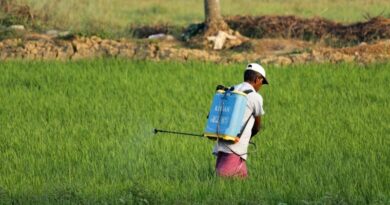
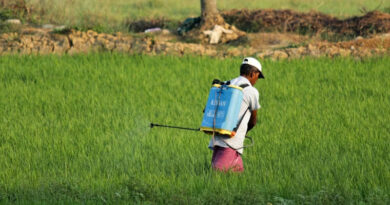
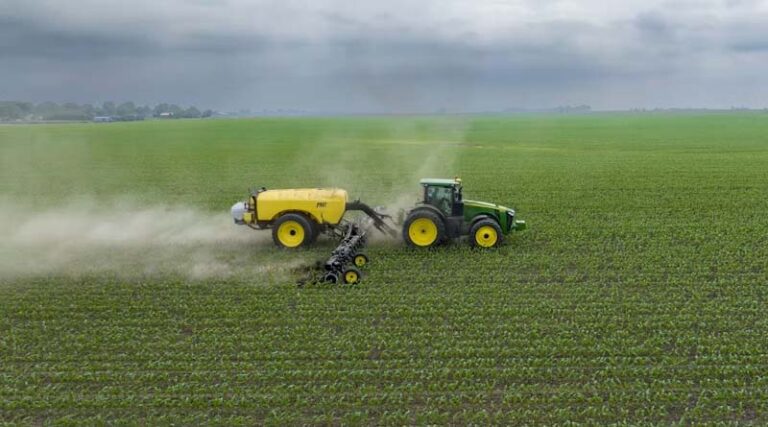
Chlorpyrifos, an organophosphate insecticide identified by the chemical registry number CAS 2921-88-2, has been used for decades against a wide range of insect pests in cereals, fruits, vegetables, and cotton. The EU had already withdrawn its approval for chlorpyrifos as an active ingredient in plant protection products several years ago, meaning the chemical could no longer be legally sprayed on crops grown within the EU. This new measure closes a different gap, addressing the chemical’s status as a persistent pollutant under international law and tightening controls on residues that can still enter the EU through imported goods, packaging materials, and traded products rather than through direct use on European farms.
A global producer and user base faces tighter compliance
Chlorpyrifos remains in active use well beyond Europe, and India is among the countries where it continues to be manufactured and applied on a significant scale, alongside China and several other producing nations. India has historically resisted moves toward a full global phase-out of the chemical, arguing that alternatives are not always available or affordable for smallholder farmers managing pest pressure on staple and cash crops. Indian and other global manufacturers who export agricultural produce, processed food, or agri-derived materials to the EU will need to ensure their supply chains meet the new trace-level threshold, since the regulation applies to a broad range of products rather than only fresh pesticide residues on food crops.
The practical effect for most agricultural exporters may be limited, since EU maximum residue limits for chlorpyrifos on food crops were already stringent following the earlier withdrawal of its EU crop-use approval. But the POPs listing adds a formal treaty-based layer to that restriction and extends scrutiny to non-food materials and packaging that had not previously been captured as tightly, which could create new compliance questions for companies moving textiles, leather goods, or wood-packaged agricultural exports into the EU. Regulatory and compliance firms tracking the change have flagged vehicle manufacturing supply chains, which use treated natural materials and wood packaging, as one unexpected area of exposure alongside the more obvious agricultural and food trade routes.
For Indian and Latin American agrochemical manufacturers, the shift reinforces a broader trend of the EU using its own market access rules to extend influence over global pesticide standards, even for chemicals no longer approved for use within EU borders. Companies that still rely on chlorpyrifos for a meaningful share of revenue, whether through domestic sales in India and other markets or through formulation exports to regions without similar restrictions, will need to weigh how much of their production is genuinely insulated from EU-linked supply chains against the risk of tightening standards spreading to other markets over time, as has happened with several other agrochemicals in the past decade.
Also Read: CropLife India Flags Narrowing Crop Protection Options for Farmers
Global Agriculture is an independent international media platform covering agri-business, policy, technology, and sustainability. For editorial collaborations, thought leadership, and strategic communications, write to pr@global-agriculture.com