04 May 2026, Netherlands: Greenhouse cultivation is on the rise worldwide. Growers are expanding internationally and new investors are entering the market. At GreenTech, Rijk Zwaan will demonstrate how the company helps partners to build strong business cases. Damion Schwarzkachel: “We use data to select genetics that increase efficiency, improve predictability and reduce labour dependency.”
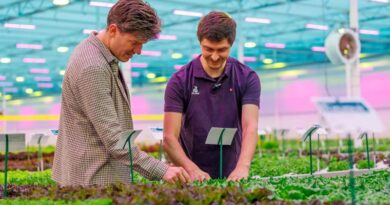
Damion is one of two Client Managers for Horticultural Projects at fruit and vegetable breeding company Rijk Zwaan. Together with his colleague Shuang Fan, he supports companies looking to invest in protected cultivation. “We connect with partners in the whole chain. We help investors to make factual, data-driven decisions, growers to improve their operational excellence, and tech partners to integrate our genetics in their automation solutions,” Damion says.
Increasing efficiency with data
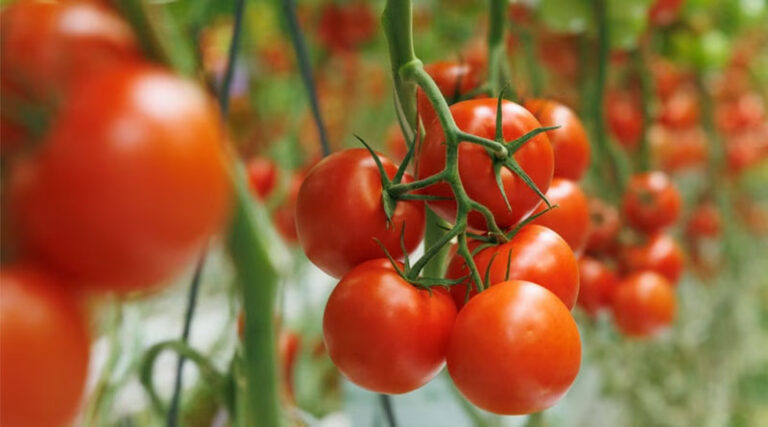
Data-driven growing plays a crucial role in this. “A lot of technology is steered and controlled by inputs. In our Trial Centre High Tech, we gather data for all crops and varieties on yield, crop growth, foliage production and climate control. We use these data to select traits that increase efficiency and improve predictability – two key factors in building a strong business case. A tomato variety like Sanpavel RZ is interesting for investors because of its predictable growth and fruit setting.”
Leveraging the full potential of technology
The varieties’ genetics also play a key role in a third important factor: reducing labour dependency and leveraging the full potential of technology. For example, the cucumber breeding team has already succeeded in developing labour-friendly cucumber varieties. “Smaller leaves make it easier to locate the fruits, single-fruited cucumber plants like Skyteam RZ and Blueray RZ eliminate the need for thinning, and uniform fruits make it easier for companies to sort and process them automatically,” explains Damion.
Harvesting robots
The next step is finding traits that support harvesting robots. “An open canopy helps a robot to recognise fruits better, and long fruit stems are important for easier cutting. By optimising plant architecture traits through breeding, technology companies can optimise their solutions. In close collaboration with our partners, we build strong business cases – for now and in the future,” concludes Damion.
Global Agriculture is an independent international media platform covering agri-business, policy, technology, and sustainability. For editorial collaborations, thought leadership, and strategic communications, write to pr@global-agriculture.com