U.S. Invokes Defense Production Act to Secure Phosphorus and Glyphosate Supply Chains
21 February 2026, Washington: In a move linking agricultural resilience with national security priorities, U.S. President Donald J. Trump has signed
Read More
Explore the latest research, regulatory developments, product registrations, scientific studies, resistance-management strategies, and crop protection developments related to Glyphosate. Stay informed on herbicide use, weed management, herbicide resistance, no-till farming, crop protection, pesticide regulation, and sustainable agriculture.
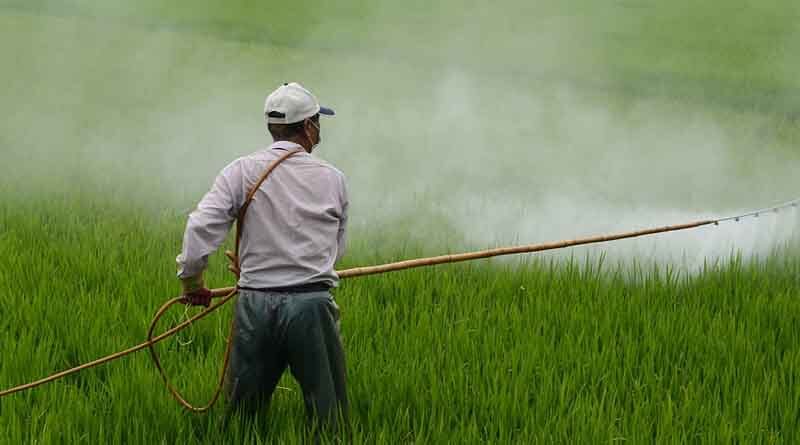
Glyphosate is a widely used, broad-spectrum herbicide that controls annual and perennial grasses and broadleaf weeds. It is a systemic herbicide that inhibits the enzyme EPSPS (5-enolpyruvylshikimate-3-phosphate synthase), disrupting the shikimate pathway and preventing the production of essential aromatic amino acids in susceptible plants. Glyphosate is used across a wide range of agricultural systems, including soybean, corn, cotton, canola, sugar beet, cereals, fruits, vegetables, orchards, vineyards, and plantation crops, subject to local registrations and label requirements.
Glyphosate is also an important tool in conservation and no-till agriculture, where weed control can help farmers reduce soil disturbance and erosion. At the same time, repeated use has contributed to the development and spread of glyphosate-resistant weed populations, making resistance management an important part of modern weed-control programs. Recommended approaches include scouting, controlling weeds before seed production, using labelled rates, integrating cultural and mechanical practices, and incorporating herbicides with different modes of action where appropriate.
The herbicide remains subject to extensive regulatory review and scientific debate internationally. In the United States, the EPA continues its registration review of glyphosate and has identified potential ecological risks, particularly to non-target plants from spray drift, while its previous human-health assessment concluded that there were no risks of concern when glyphosate is used according to its label.
This category features glyphosate research, product launches, regulatory decisions, pesticide registrations, herbicide resistance, weed-management strategies, no-till farming, crop protection, environmental assessments, stewardship initiatives, and global developments related to glyphosate.
21 February 2026, Washington: In a move linking agricultural resilience with national security priorities, U.S. President Donald J. Trump has signed
Read More20 January 2025, New Delhi: Glyphosate is a widely used, patented herbicide effective against a broad spectrum of weeds. It works
Read More20 January 2025, New Delhi: Glyphosate is the most widely used herbicide globally, known for its broad-spectrum activity against weeds. It works
Read More18 November 2023, EU: As required by EU legislation on pesticides, and in line with the Comitology rules, in the absence of a
Read More12 October 2023, EU: A complete ban on the use of glyphosate in agriculture in the short term will lead to farmers
Read More25 July 2023, New Delhi: The Central Government had banned the use of the herbicide Glyphosate directly by farmers in October 2022
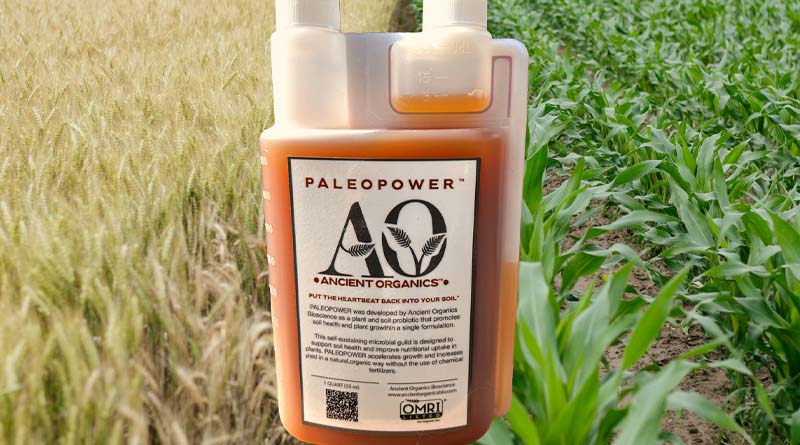
Read More09 May 2023, California: Ancient Organics Bioscience, Inc., an agricultural technology company that develops proprietary soil and plant probiotics, announced today the
Read More21 December 2022, New Delhi: Decreasing raw material costs, rising inventories, and a lack of market confidence from downstream businesses, the price
Read More13 December 2022, New Delhi: Reaffirming the status of Glyphosate in India, the Agriculture Minister, Mr. Narendra Singh Tomar today clarified that the agrochemical
Read More27 October 2022, New Delhi: In an order released on 25th of October 2022, the Indian government restricted the use of chemical
Read More