US Fertilizer Prices Ease as CHS, OCP Break Ground on First New Phosphate Plant in Four Decades
05 September 2026, Washington, D.C: Retail fertilizer prices in the United States fell for most major nutrients in the week of August 24 to 28, according to the latest DTN Retail Fertilizer Trends report published September 2, even as one closely watched input, anhydrous ammonia, remained more than 20 percent above year ago levels heading into fall application season.
DTN’s weekly survey of retailers found six of the eight major fertilizers declined compared to the prior month, while two ticked up slightly. UAN28 led the declines, falling 8 percent to average $428 per ton, the only nutrient besides urea to drop by DTN’s threshold of 5 percent or more for a significant move. Urea fell 5 percent to $655 per ton. Potash eased slightly to $493 per ton, while UAN32 slipped to $458 per ton, the sole product among the eight now priced below year ago levels, down 5 percent.
On the other side of the ledger, diammonium phosphate rose slightly to $918 per ton and monoammonium phosphate increased to $959 per ton. Anhydrous ammonia held near $923 per ton, up 21 percent from a year earlier, the largest year over year increase among the eight fertilizers DTN tracks. Seven of the eight nutrients cost more than they did in August 2025, reflecting a year marked by supply disruptions tied to conflict in the Middle East and tightened phosphate export policy out of China, the world’s largest producer of phosphate fertilizer.
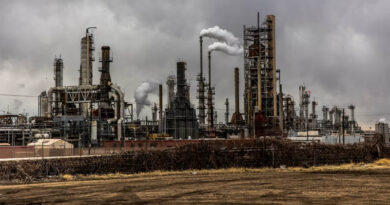
Against that backdrop, agricultural cooperative CHS and Morocco based OCP North America announced on August 26 a joint venture to build the first new phosphate fertilizer plant in the United States since 1984. The facility will be built at Cornerstone Energy Park in Waggaman, Louisiana, with an investment of up to $450 million and planned annual capacity of more than one million metric tons of phosphate based fertilizer. Construction is expected to take up to 24 months, subject to regulatory approvals.
CHS President and CEO Jay Debertin called the project an exciting moment for American agriculture, saying the venture with OCP North America gives the companies the opportunity to build the country’s first new phosphate plant in more than 40 years. Kevin Kimm, chief executive of OCP North America, described the project as a milestone in the company’s commitment to serving American agriculture. The groundbreaking event drew Agriculture Secretary Brooke Rollins and Louisiana Governor Jeff Landry, underscoring the political weight both Washington and Baton Rouge are placing on reducing dependence on imported phosphate fertilizer.
The project is projected to create around 60 permanent jobs and roughly 500 construction jobs, with a total estimated economic impact of more than 900 direct and support positions in the region. Company officials framed the plant as a long term hedge against the kind of supply shocks that have driven up phosphate costs over the past two years, though the facility will not begin producing fertilizer until well after the 2026 and 2027 planting seasons given the construction timeline involved.
For farmers, the near term picture remains a mix of modest relief on nitrogen products and continued elevated costs for phosphate based inputs, keeping overall input budgets tight even as some prices soften.
Also Read: Syngenta Welcomes Trevor Watson As Turf Territory Manager For Mid-atlantic And Northeast Region
Global Agriculture is an independent international media platform covering agri-business, policy, technology, and sustainability. For editorial collaborations, thought leadership, and strategic communications, write to pr@global-agriculture.com