California Regulators Tighten Rules on Cotton Defoliant Tribufos
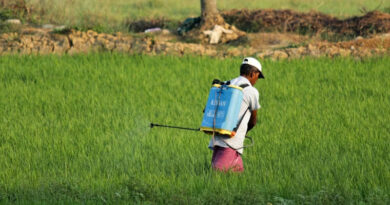
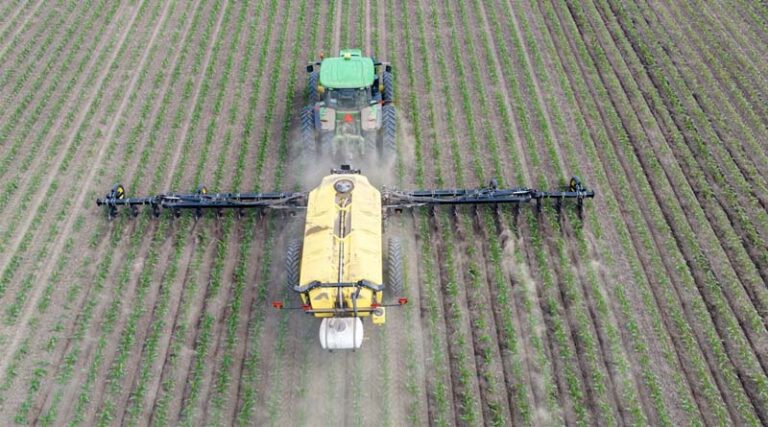
21 September 2026, United States: California’s Department of Pesticide Regulation (DPR) announced on September 15, 2026, that it has completed a set of risk mitigation actions for tribufos, an organophosphate pesticide registered solely for use as a cotton defoliant. The action tightens the product’s label rather than removing it from the market: DPR has reduced allowable application rates and prohibited irrigation and weeding activities immediately following application, both changes aimed at cutting exposure risk for farmworkers.
Tribufos, sold under trade names including DEF and Folex, was first registered with the U.S. Environmental Protection Agency in 1985 and reregistered in 2006. It remains under federal registration review and is approved for use in 17 cotton growing states, including California, Texas, Arizona, Georgia, Mississippi and Louisiana. Health advocacy groups have flagged the chemical for cancer and neurodevelopmental harm concerns tied to exposure among farmworkers, pesticide handlers and nearby residents, which is part of why organophosphates as a class have been under sustained regulatory scrutiny at both the federal and state level for more than a decade.
California’s move follows a 2023 round of federal label amendments adopted by the EPA. After those changes, DPR’s own risk assessment concluded that unmitigated exposure risks remained under the federal label, prompting the state, which retains independent authority to impose stricter pesticide rules than the federal government, to propose the additional restrictions finalized this month. The product remains registered for use in California; DPR describes this as the closure of a long-running legacy risk assessment item, to be formally logged in an upcoming Continuous Evaluation and Mitigation Update, rather than a cancellation.
The tribufos decision lands against the backdrop of a more aggressive year for DPR’s post-registration review program. In August 2026, the agency confirmed that every manufacturer holding a paraquat-dichloride registration in California, including Syngenta, had voluntarily cancelled those registrations, following a DPR reevaluation opened in November 2024 that flagged potential associations between paraquat exposure and thyroid effects and birth defects, alongside risks to birds and other wildlife. The last paraquat registrant’s cancellation took effect on August 6, 2026, triggering a two year sell-through window during which retailers can continue to move existing stock. Paraquat, unlike tribufos, has been banned outright in more than 70 countries, including the European Union since 2007, and has been the subject of extensive product liability litigation in the United States tied to alleged links to Parkinson’s disease.
Neither tribufos nor paraquat is a large-volume molecule by global standards, but together they illustrate a broader trend: California’s DPR has been working through a backlog of legacy organophosphate and bipyridylium pesticides under sustained pressure from farmworker and environmental advocates, using both formal reregistration review and its own state-level continuous evaluation process. DPR has also stated it is fielding public nominations for future pesticide reviews through a newly formed Pesticide Science Committee that held its first meeting in August 2026.
Also Read: CropLife India Flags Narrowing Crop Protection Options for Farmers
Global Agriculture is an independent international media platform covering agri-business, policy, technology, and sustainability. For editorial collaborations, thought leadership, and strategic communications, write to pr@global-agriculture.com