28 September 2026, New Delhi, India: The Government of India has prohibited the registration of paraquat dichloride under the Insecticides Act, 1968, and cancelled all registration certificates already issued for the herbicide, bringing a months-long regulatory review of one of the country’s most debated crop protection products to a formal close.
The Ministry of Agriculture and Farmers Welfare issued the order as S.O. 5234(E), dated September 22, 2026. The ministry said it acted after weighing public objections and suggestions, the recommendations of an Expert Committee, and consultation with the Registration Committee set up under the Insecticides Act. In the order, the government stated it was satisfied that the use of paraquat dichloride poses risks to human beings and animals serious enough to require immediate action.
The prohibition on registration takes effect from the date the order is published in the Official Gazette. Registration certificates granted under Section 9 of the Insecticides Act will stand cancelled from that same date. The Registration Committee has been directed to call back all certificates issued for the product, and holders that fail to return them may face action under the Act. State Governments have been asked to take the steps needed under the Act and its rules to enforce the prohibition within their jurisdictions.
The order has been issued under Section 27(2), read with Section 28, of the Insecticides Act, 1968.
The final order follows a draft notification, S.O. 3800(E), dated July 10, 2026, which proposed prohibiting the manufacture, import, transport, distribution, sale and use of paraquat dichloride across India. That Gazette was made available to the public on July 13, 2026, and stakeholders were given 30 days to submit objections or suggestions before the government took a final decision.
The process began earlier in the year. The Ministry constituted an Expert Committee on January 14, 2026, to examine the continued registration and use of paraquat dichloride, and the committee submitted its report to the Central Government on June 12, 2026. The Registration Committee then reviewed the expert panel’s report at its 473rd meeting in the last week of June, examining paraquat alongside the insecticide carbosulfan, before forwarding its recommendations separately to the government.
The safety case was set out in the draft. The Registration Committee noted that paraquat dichloride has been banned or severely restricted in more than 70 countries, and flagged documented adverse health effects, continued poisoning incidents with high fatalities, and the lack of a specific antidote as major concerns.
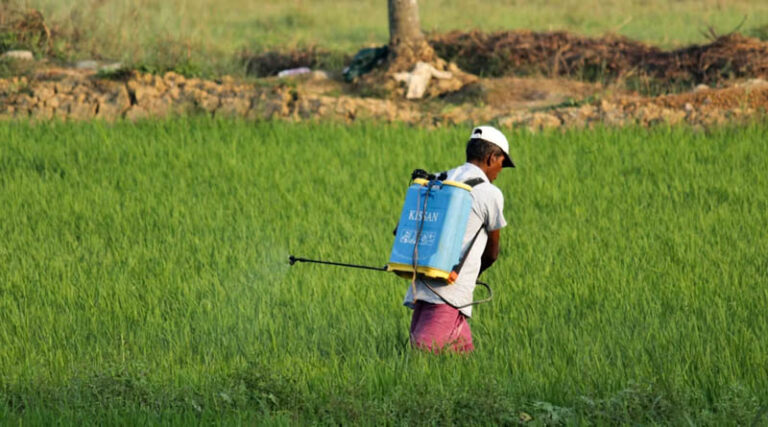
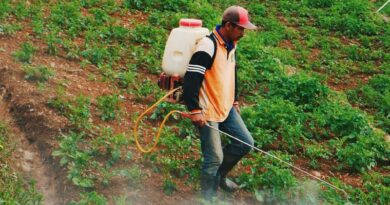
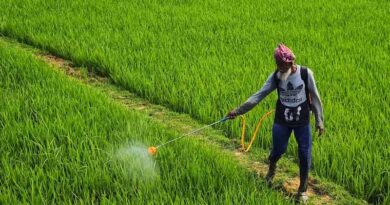
The review also touched on how the product was being used in the field. Paraquat is registered in India only as a non-selective contact herbicide for weed control, but there have been documented cases of its use as a crop desiccant to speed up drying of crops such as mung bean and soybean before mechanical harvesting, a practice that falls outside the approved label.
The September order specifically bars new registrations, cancels existing certificates, directs the Registration Committee to retrieve them and calls on states to implement the prohibition. Since a pesticide cannot lawfully be manufactured, imported or sold in India without a valid registration, the practical effect is expected to be the removal of paraquat products from the market. How states handle stock already in the distribution channel will be closely watched once the Gazette publication is available.
For India’s agri-input industry, this is one of the most significant herbicide decisions in recent years. Paraquat has been widely used for weed control in plantations, orchards and several field crops, and its exit will push formulators, distributors and growers towards alternative weed management solutions. Companies with strong alternative herbicide portfolios stand to gain, while firms dependent on paraquat volumes will need to adjust quickly.
Global Agriculture is an independent international media platform covering agri-business, policy, technology, and sustainability. For editorial collaborations, thought leadership, and strategic communications, write to pr@global-agriculture.com