New Rapid Test Detects Wheat Blast in Just 90 Minutes
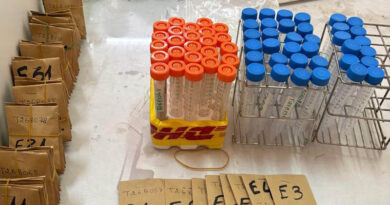
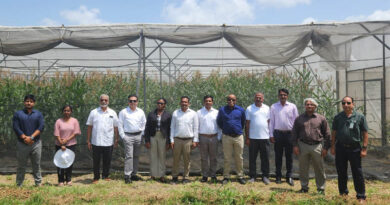
22 September 2026, England: Scientists at the John Innes Centre in Norwich, England, working with Ethiopia’s national agricultural research service, have developed a portable diagnostic test that confirms the presence of wheat blast disease in about 90 minutes, a result that previously took days or weeks to obtain through conventional laboratory methods. The test was field-trialled in June 2026 at the Ambo research centre of the Ethiopian Institute of Agricultural Research (EIAR), one of the country’s main wheat breeding stations, and its results were shared publicly in mid-August 2026.
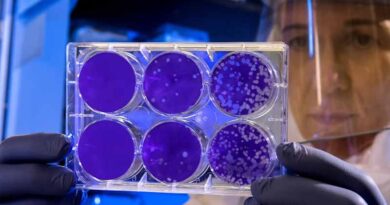
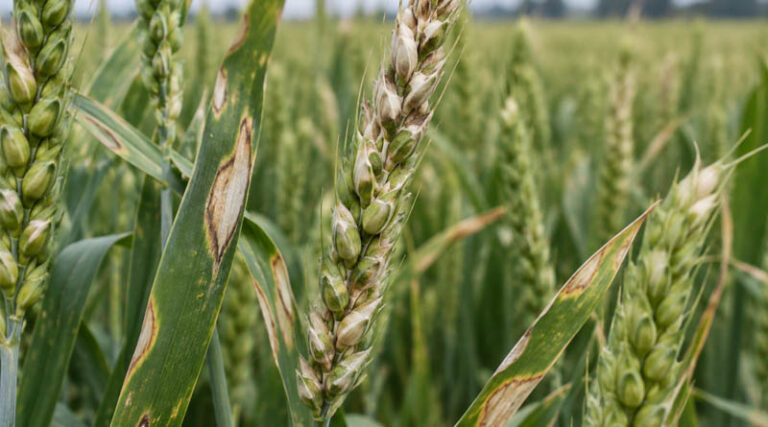
Wheat blast is caused by a specialised strain of the fungus Magnaporthe oryzae that attacks wheat heads rather than leaves, a trait that makes it unusually destructive. First identified in Brazil in 1985, the disease spread to Bangladesh in 2016 and to Zambia in 2018, raising fears that it could establish itself more widely across Africa and South Asia. In severe outbreaks, wheat blast can wipe out an entire field’s grain yield, since infected spikes produce shrivelled, mostly empty kernels. Ethiopia is sub-Saharan Africa’s largest wheat producer and has become a frontline country for monitoring the disease’s spread.
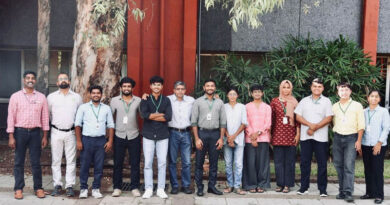
The research was led by Professor Diane Saunders, a group leader at the John Innes Centre, with research assistant Liam Butler carrying out much of the assay development. On the Ethiopian side, the project involved Dr Dejene Girma, head of biotechnology at EIAR, and Dr Jemal Tola, director of the Ambo research centre, with additional input from the International Maize and Wheat Improvement Center (CIMMYT), the CGIAR-affiliated breeding institute that coordinates much of the world’s work on wheat disease resistance.
How the LAMP test works
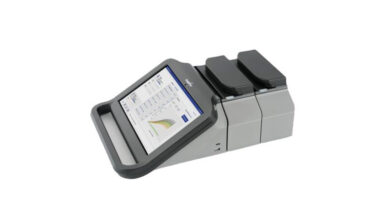
The new tool is built on a technique called loop-mediated isothermal amplification, or LAMP. Unlike the polymerase chain reaction (PCR) tests widely used for plant and human disease diagnosis, which require a thermal cycler to repeatedly heat and cool a sample, LAMP amplifies a target section of the pathogen’s genetic material at a single, constant temperature. That difference matters enormously in practice, because it means the test can run on simple, inexpensive equipment such as a heating block or even a water bath, rather than the costly, specialised machines found mainly in well-funded central laboratories.
In the field trial, the team designed the assay to pick out a genetic signature unique to the wheat-infecting pathotype of Magnaporthe oryzae, distinguishing it from other, less damaging strains of the same fungus. A second version of the test was developed to detect Fusarium head blight, another major wheat disease that also infects the grain head and can leave behind toxic residues harmful to human and animal health. Both versions return a result within roughly 90 minutes of a sample being taken from a suspect plant, compared with the days needed to culture a sample or the international shipping delays involved in sending it to a reference laboratory overseas for confirmation.
Saunders said the test was designed to be usable by laboratories anywhere in the world, regardless of whether they have access to specialised equipment, a point that speaks directly to the project’s underlying goal. Many of the countries most exposed to wheat blast, including Ethiopia, Bangladesh and Zambia, have limited diagnostic infrastructure, and delays in confirming an outbreak can allow the disease to spread unchecked across a growing region before authorities are able to respond with quarantine measures, fungicide advisories or the deployment of resistant seed.
Wider implications for wheat production
For plant health authorities, a same-day confirmation test changes how quickly containment decisions can be made. Instead of waiting for spores to be cultured or samples to be sequenced at a distant facility, extension officers or local laboratory staff can get an answer while a suspect field is still standing, then act on it immediately, whether that means restricting the movement of grain and machinery, alerting neighbouring farms or fast-tracking the distribution of blast-tolerant seed varieties already in the pipeline at institutes such as CIMMYT.
The test also has value for breeding programmes themselves. Screening thousands of experimental wheat lines for resistance to blast normally requires either risky exposure trials in disease-endemic areas or slow, expensive laboratory confirmation of infection status. A rapid, low-cost, field-deployable diagnostic makes it more practical to screen larger breeding populations closer to where the disease actually occurs, potentially speeding up the development of resistant varieties.
Also Read: India Approves Pioxaniliprole, First Insecticide Active Ingredient Discovered in India
Global Agriculture is an independent international media platform covering agri-business, policy, technology, and sustainability. For editorial collaborations, thought leadership, and strategic communications, write to pr@global-agriculture.com