21 October 2026, Rome: The United Nations Food and Agriculture Organization’s Food Price Index rose for a second straight month in September, reaching its highest level since November 2022, as cereal prices jumped and vegetable oil costs continued a slower climb.
FAO’s benchmark index, which tracks a basket of internationally traded food commodities, averaged 136.0 points in September, up 1.5 percent from a revised August reading of 134.0 and 5.8 percent above September 2025, according to the report FAO released on October 2. The increase was driven almost entirely by cereals and, to a lesser extent, sugar, while dairy and meat prices eased.
Cereals and Vegetable Oils Lead the Climb
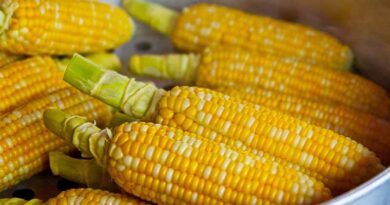
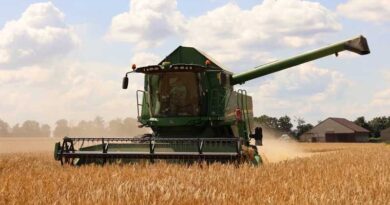
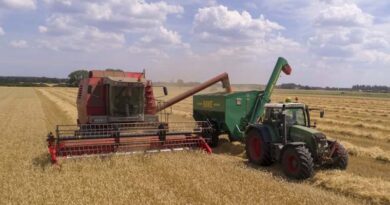
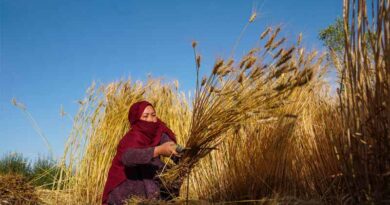
FAO’s Cereal Price Index averaged 122.8 points in September, up 5.1 percent from August and 17.2 percent higher than a year earlier, the steepest annual increase among the index’s component categories. Wheat prices rose 6.3 percent month on month, which FAO linked to disruption in Black Sea shipping logistics and dry weather across parts of North America. Corn climbed 5.6 percent, reflecting concerns over the size of the US harvest, reduced export availability from Brazil, and the same Black Sea disruptions affecting wheat. Rice prices rose a more modest 1.4 percent.
The Vegetable Oil Price Index averaged 198.6 points, up a smaller 0.9 percent from August but still 18.3 percent above year-earlier levels. Palm oil prices rose for a fourth consecutive month, continuing a run that has made it the main driver of vegetable oil costs, while sunflower oil prices fell for a third straight month, a divergence that reflects differing supply pictures in Southeast Asia and the Black Sea region respectively. Soybean oil and rapeseed oil prices were little changed.
Elsewhere in the index, the Sugar Price Index rose 6.1 percent to 114.0 points, up 14.7 percent year on year, while the Meat Price Index eased 1.1 percent to 127.9 and the Dairy Price Index slipped a marginal 0.1 percent to 119.1, though dairy remains 19.1 percent below where it stood a year earlier, the largest annual decline of any category FAO tracks.
What the Trend Signals for Buyers and Producers
An overall index at its highest level in nearly four years is a signal that global food cost inflation, after moderating through much of the past two years, is building again, driven primarily by grains rather than a broad-based rise across every commodity. The divergence between rising cereal and palm oil prices and falling dairy and sunflower oil prices suggests the increase reflects specific supply disruptions, chiefly in wheat and corn logistics, rather than a uniform tightening across global food markets.
Global Agriculture is an independent international media platform covering agri-business, policy, technology, and sustainability. For editorial collaborations, thought leadership, and strategic communications, write to pr@global-agriculture.com