FAO Welcomes $3.9 Billion GEF-9 Replenishment to Scale Sustainable Agrifood Systems Worldwide
06 June 2026, Samarkand: Marking World Environment Day, the Food and Agriculture Organization of the United Nations (FAO) has welcomed the approval of the Ninth Replenishment of the Global Environment Facility (GEF-9), describing it as a major opportunity to expand investments in sustainable agrifood systems that address some of the world’s most pressing environmental challenges, including climate change, biodiversity loss, land degradation, pollution, and water resource management.
With initial pledges amounting to $3.9 billion for the 2026–2030 funding cycle, GEF-9 is expected to support countries in achieving their environmental and sustainability commitments through inclusive, resilient, and environmentally responsible food and agricultural systems.
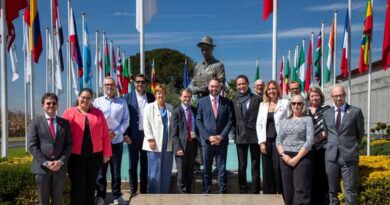
The replenishment was formally approved during the Eighth GEF Assembly in Samarkand, which brought together representatives from 140 governments. The gathering served as a key platform for advancing international cooperation ahead of upcoming global negotiations on climate, biodiversity, and desertification. Discussions focused on accelerating action against climate change, ecosystem degradation, water insecurity, pollution, and declining ocean health.
Agrifood Systems at the Heart of Environmental Solutions
FAO emphasized that agrifood systems remain central to delivering multiple environmental benefits simultaneously. Experiences under the current GEF-8 cycle have demonstrated how investments in sustainable agriculture can improve ecosystem health while strengthening rural livelihoods.
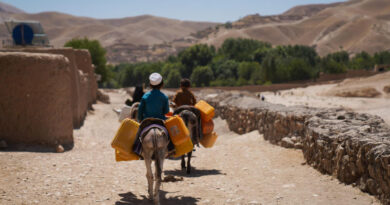
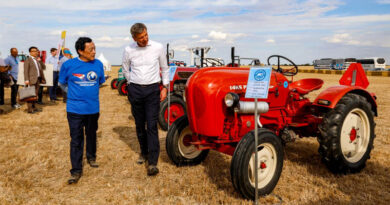
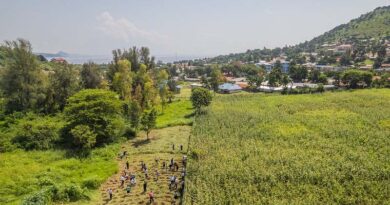
Projects supporting improved soil management, sustainable grazing practices, and land restoration have enhanced pasture productivity and increased the resilience of livestock-dependent communities. Similarly, the adoption of climate-resilient rice varieties and improved cultivation practices has helped farmers reduce input costs, increase yields, and ease pressure on land and biodiversity. Agroforestry initiatives have also shown strong potential to increase carbon sequestration, improve soil health, conserve biodiversity, and strengthen farm resilience against droughts, floods, and extreme temperatures.
Speaking at the Assembly, Godfrey Magwenzi, FAO Deputy Director-General and Director of Cabinet, highlighted the strategic role of agrifood systems in tackling interconnected environmental challenges.
“Agrifood systems connect many of the solutions we are here to scale up: building resilience to a changing climate, protecting food security, reducing emissions, and halting biodiversity loss and land degradation,” he said.
Magwenzi added that GEF-9 provides an opportunity to strengthen collaboration across sectors, align environmental and agricultural policies, and attract greater private-sector investment to support sustainable development goals.
GEF-9 to Support Integrated Environmental Programmes
Running from 2026 to 2030, GEF-9 will finance integrated approaches to environmental management through a range of global programmes focused on food systems, dryland and drought resilience, sustainable forest management, urban sustainability, and island ecosystems.
According to Claude Gascon, Interim CEO and Chairperson of GEF, the new funding cycle aims to deepen integration across environmental initiatives while expanding access to finance for vulnerable communities and countries most affected by environmental crises.
“GEF-9 is an opportunity to raise ambition through integration and connect action for greater impact,” Gascon said. “It will also help scale finance, strengthen inclusive approaches, and support the countries and communities most on the front lines of the environmental crisis.”
Two Decades of FAO-GEF Collaboration
FAO highlighted the significant achievements of its long-standing partnership with GEF over the past two decades. Since 2006, FAO has supported more than 140 countries in accessing approximately $2 billion in GEF funding while mobilizing an additional $14 billion in co-financing for agrifood systems projects.
These investments have contributed to improved management practices across 173 million hectares of landscapes and seascapes, restoration of 8.8 million hectares of degraded land, and enhanced protection of 117 million hectares of terrestrial and marine protected areas. The initiatives have also contributed to substantial greenhouse gas emission reductions while directly benefiting around 33 million people worldwide.
The Eighth GEF Assembly also marked a period of unprecedented growth for the FAO-GEF partnership. During the current cycle, FAO secured $770 million in grant financing benefiting more than 100 countries and was selected to lead three major Integrated Programmes: the Food Systems Integrated Program, the Clean and Healthy Ocean Integrated Program, and the Southeast Asia and Pacific Forests Integrated Program.
In addition, FAO became an implementing agency for the GEF Small Grants Programme, enabling greater support for community organizations, Indigenous Peoples, women, and youth-led initiatives focused on locally driven agrifood solutions.
Accelerating Action Before 2030
During the Assembly in Samarkand, FAO showcased a range of agrifood initiatives aimed at reducing food loss and waste, promoting sustainable value chains, expanding drought financing mechanisms, improving rangeland management, and strengthening transboundary water governance in Central Asia.
Looking ahead, FAO stressed that GEF-9 presents a critical opportunity to accelerate innovation, expand country-led environmental programmes, and reinforce the role of agrifood systems as a cornerstone of global environmental action. The organization emphasized that stronger implementation, faster delivery, and greater engagement with local communities will be essential to achieving meaningful environmental outcomes before 2030.
Also Read: India Approves Two Rice Varieties To Secure Yields In Direct-seeded Rice Farming
Global Agriculture is an independent international media platform covering agri-business, policy, technology, and sustainability. For editorial collaborations, thought leadership, and strategic communications, write